Ad Net Zero’s first London Climate Action Week programme brought together supporters, partners and industry leaders for a week of discussions, collaboration and practical action.
Across the programme, conversations explored sustainable communications and, storytelling, business leadership, carbon calculation and reduction, artificial intelligence, and the role advertising can play in accelerating sustainable change.
From the launch of GMSF v1.3 and Every Brief Counts to sessions on resilience, innovation and trust, the week showcased how the industry is working together to turn ambition into action.
Below are some of the key conversations and takeaways from the events we attended and supported throughout the week.
The Integrity Imperative: Navigating Greenwashing Regulations to Communicate with Confidence
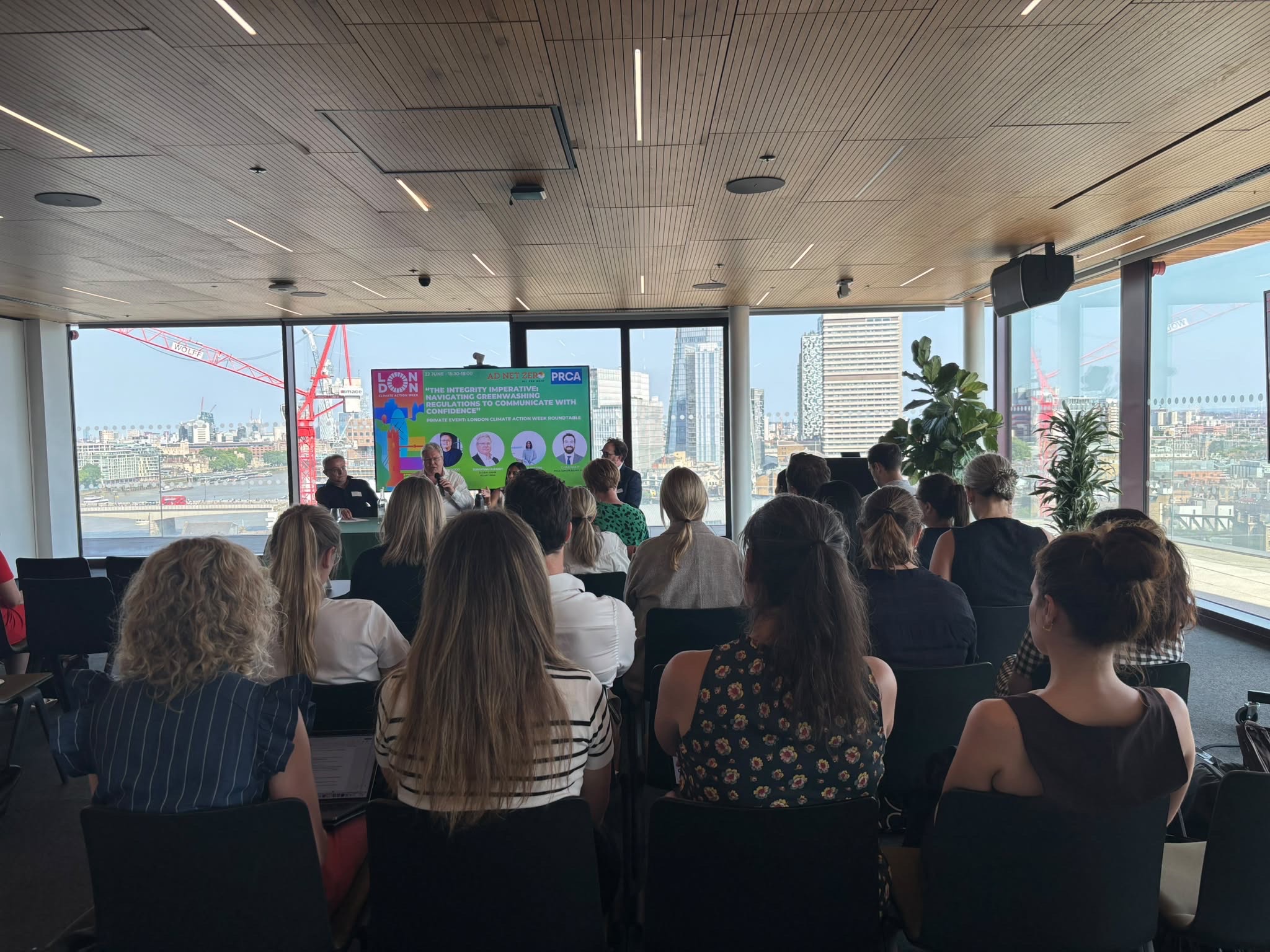
We started the week alongside PRCA for The Integrity Imperative, exploring how organisations can navigate increasing scrutiny around sustainability communications.
As regulators continue to sharpen expectations around environmental claims and stakeholders demand greater transparency, the session focused on the challenges and opportunities facing communications professionals today.
Held under the Chatham House Rule, the discussion provided a valuable opportunity for attendees to explore how organisations can communicate sustainability with confidence while maintaining credibility and trust.
Force of Nature: The role of storytelling in engaging audiences
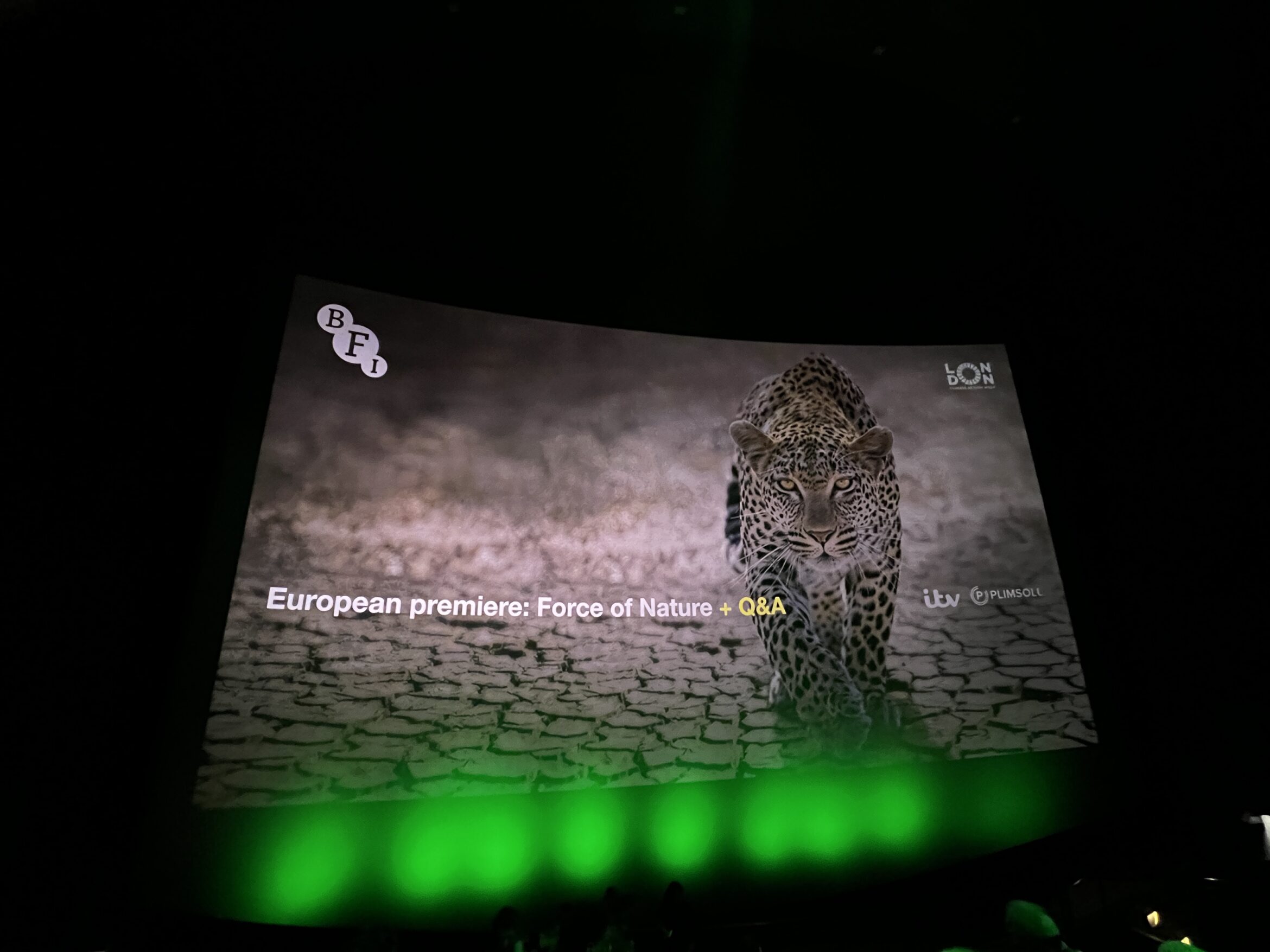
We joined ITV at the BFI IMAX for the European premiere of Force of Nature.
The new six-part natural history series explores how nature is responding to today’s extreme weather, combining powerful storytelling with examples of resilience across the natural world. Stream Force of Nature here.
Following the screening, ITV Commissioner Jo Clinton-Davis, Executive Producer Mark Brownlow and Series Producer Seb Illis reflected on the making of the series and the role storytelling can play in helping audiences connect with climate and nature issues.
A key theme throughout the discussion was the importance of telling stories that resonate emotionally, making complex challenges relatable through people, places and the natural world. Rather than focusing solely on the scale of the challenge, Force of Nature highlights resilience, adaptation and the ingenuity of animal survival.
In doing so, the series reflects one of the central themes of London Climate Action Week 2026: mobilising whole-of-society climate action through storytelling that engages, informs and inspires audiences.
The View from the CSO: How Can the Advertising Industry Drive Real World Action?
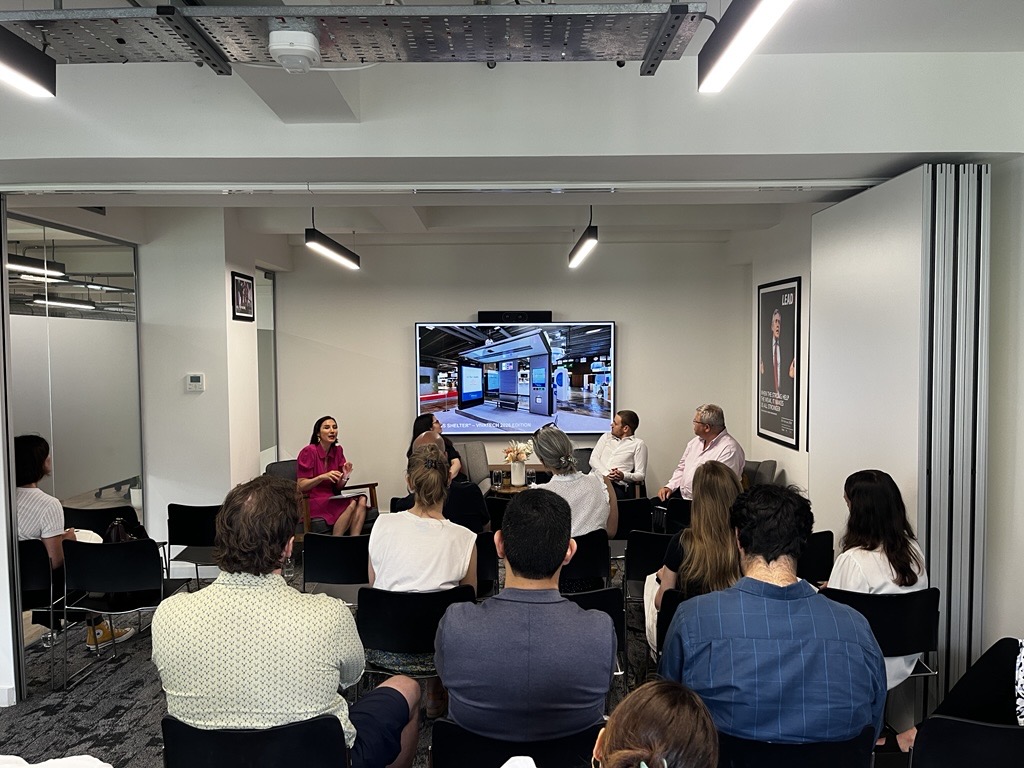
On day two, Ad Net Zero Global Chair Sebastian Munden was joined by Lenaic Pineau (JCDecaux), Hannah Harrison (WPP) and Ian Gill (TikTok) to explore how sustainability leaders can mobilise action across large organisations.
A recurring theme throughout the discussion was the importance of embedding sustainability into core business strategy, rather than treating it as a separate initiative.
For Hannah Harrison, that starts by ensuring sustainability supports broader business objectives. Reflecting on WPP’s approach, she described a systems framework built around four interconnected areas: policy, culture, capability and creativity.
The framework focuses on embedding sustainability into policy and decision-making, creating a culture that builds momentum and gives people the confidence to engage, developing the capability and tools needed to make sustainability relevant to individual roles, and using creativity to create value for clients. Hannah emphasised that all four elements are needed to drive meaningful change, describing sustainability at its best as “an innovation lens” rather than an additional task.
That theme also connects closely to Ad Net Zero’s recent work with the Institute for Real Growth on the CMO-CSO Playbook, which highlights the importance of closer collaboration between sustainability and marketing leaders to drive innovation, create stakeholder value and embed sustainability into long-term business strategy. The playbook argues that when CMOs and CSOs shows how CMOs and CSOs can work as strategic partners so that sustainability becomes a driver of growth.
Ian Gill echoed the importance of starting with business priorities, encouraging sustainability professionals to first understand what their organisation is trying to achieve and then demonstrate how sustainability can help deliver those objectives.
He spoke about finding “unlikely heroes” across organisations, building relationships with decision-makers and working with partners, agencies and advertisers to improve content and outcomes. He also highlighted the importance of trusted messengers, noting that sustainability conversations are often confined to an echo chamber and that progress depends on reaching people through voices, communities and topics they already engage with.
The challenge of balancing long-term ambitions with short-term priorities was another recurring theme. Ian reflected on the importance of helping organisations take a long-term view while breaking progress into achievable milestones.
Lenaic Pineau discussed how sustainability has become embedded within JCDecaux’s governance, commercial strategy and business model.
She highlighted the importance of adapting sustainability language for different audiences, noting that discussions with boards and finance teams are often most effective when framed around business resilience, market opportunities and future competitiveness.
Lenaic also shared examples of how JCDecaux is integrating sustainability into its operations and products. These included cooling bus shelters designed to be up to seven degrees cooler than surrounding temperatures, biodiversity initiatives including bird nesting projects, air-quality monitoring infrastructure and the refurbishment of existing assets, which can reduce emissions by around 70% compared to replacement. See Lenaic’s thoughts here.
Across the discussion, speakers returned to a common challenge: how to create systems, partnerships and business models that enable long-term action while continuing to deliver commercial value today.
DIMPACT: Understanding the Carbon Impact of AI Video Generation
The Ad Net Zero team also attended DIMPACT’s launch of The Carbon Impact of AI Video Generation, a new report by The Carbon Trust, commissioned by DIMPACT and developed with input from participants including the BBC, Netflix and Spotify.
The report explores how energy use and emissions vary across different AI models, settings and workflows, highlighting the challenges media organisations face in measuring and comparing environmental impacts due to limited and inconsistent data.
Speakers from The Carbon Trust, BBC R&D, Spotify and Sustainable AI Group discussed the growing role of AI within creative and production workflows, alongside the need for greater transparency, consistent measurement approaches and more informed decision-making across the value chain.
The event also demonstrated one of London Climate Action Week’s wider ambitions: aligning organisations across sectors to develop and scale new climate solutions.
Google AI for the Planet: Scaling Solutions Through Collaboration
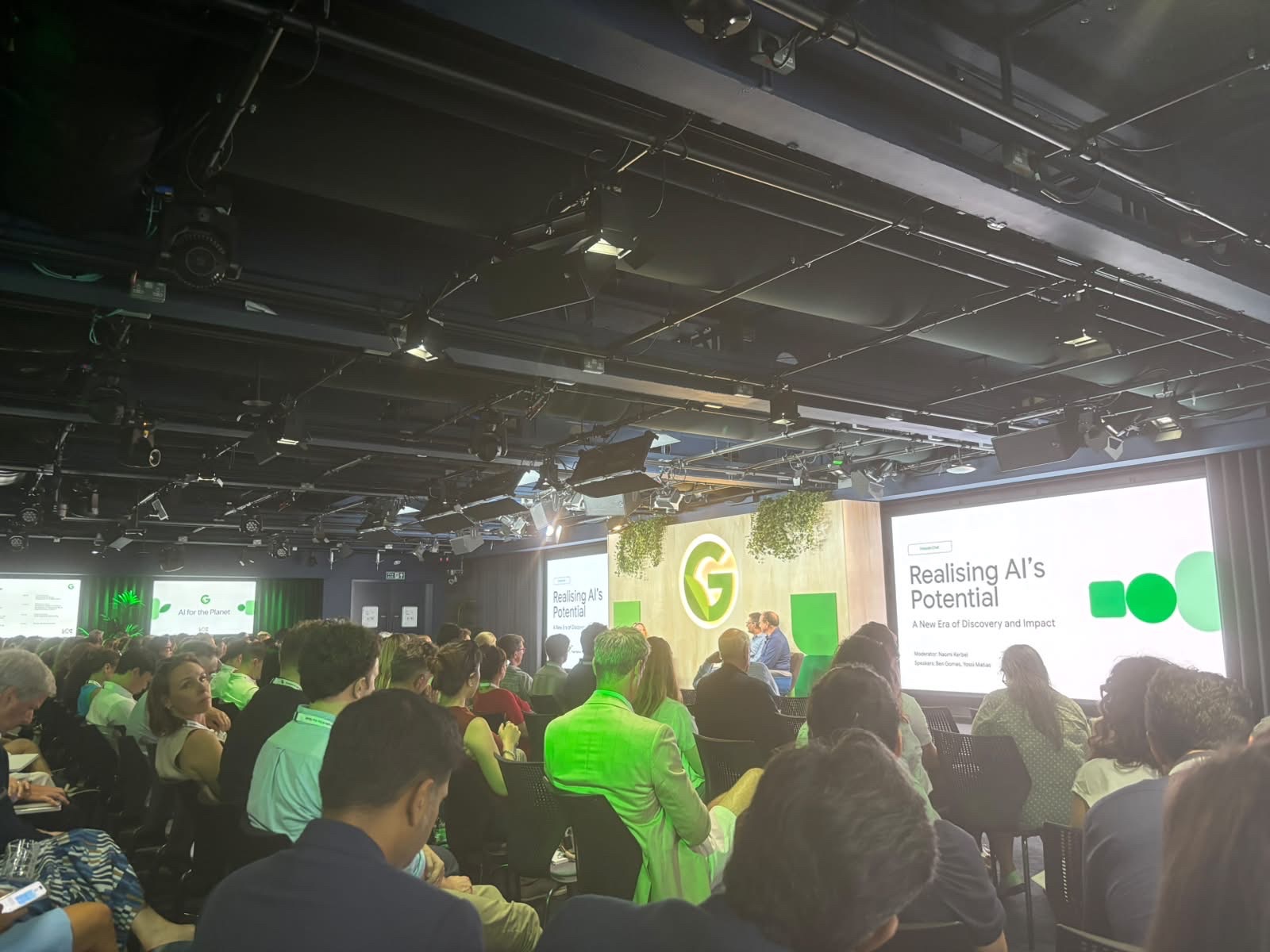
Elle Chartres attended Google’s AI for the Planet summit, which brought together leaders from industry, academia, civil society and government to explore how AI solutions can support a healthy and resilient planet.
Hosted by Google’s Chief Sustainability Officer Kate Brandt, the event focused on turning ambition into action and enabling organisations to become practitioners who can implement climate solutions within their own businesses and communities.
The programme brought together speakers from Google Research, Google DeepMind, Google Maps Platform and Google Earth to explore how artificial intelligence can support scientific breakthroughs, resilience and sustainable innovation.
The summit demonstrated how collaboration across industry, academia, government and civil society will be critical to scaling AI solutions that support a healthy and resilient planet.
Breaking the Big Silence: Communicating Sustainability with Confidence
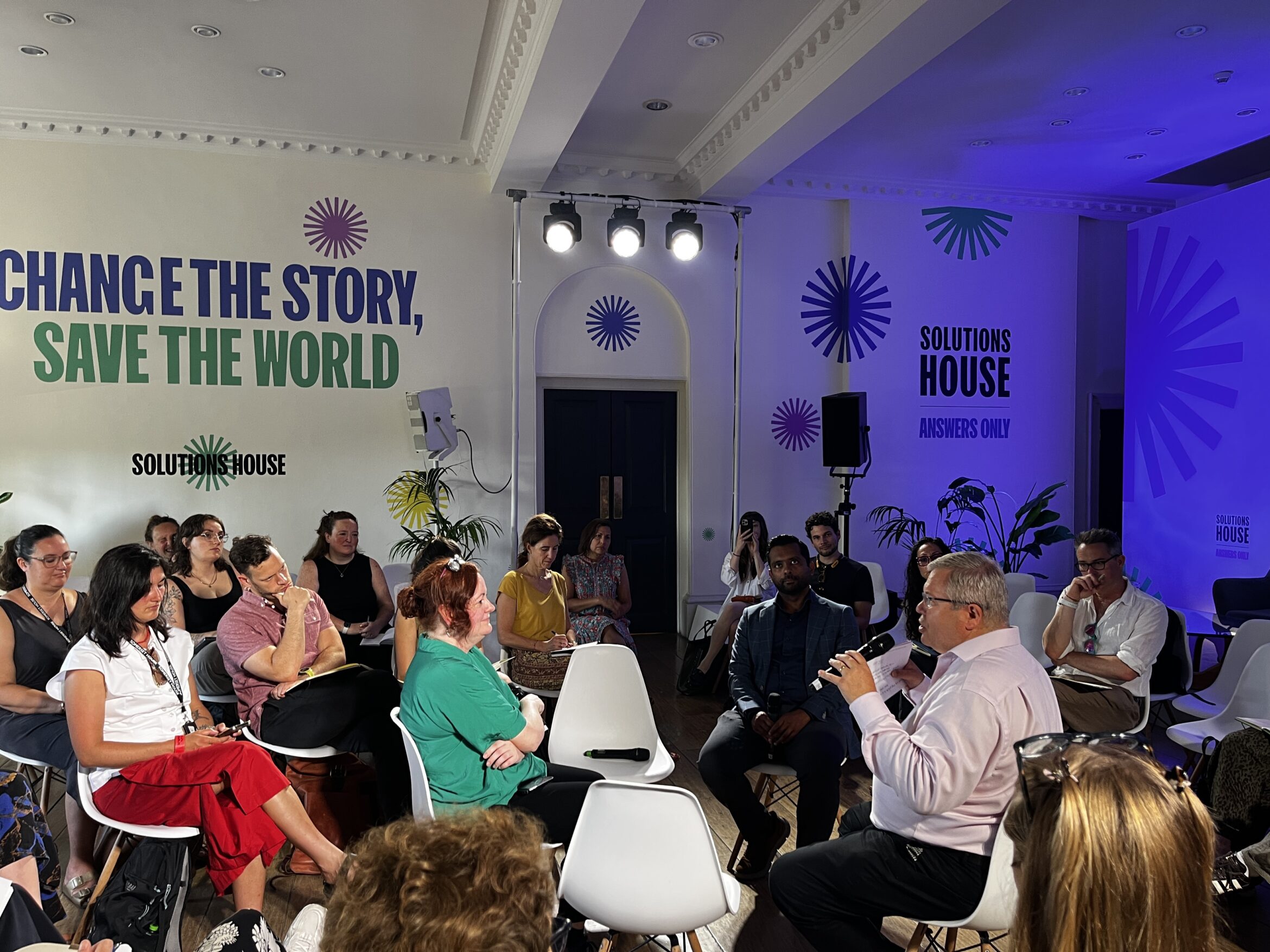
At Futerra’s Breaking the Big Silence, Sebastian Munden joined Solitaire Townsend (Futerra) and JD Sreekanth (Ahold Delhaize) for a fishbowl discussion exploring why brands are becoming quieter on sustainability and how organisations can communicate in ways that resonate with consumers.
The conversation examined a range of factors behind greenhushing, from increased scrutiny and regulation to wider economic pressures and competing priorities. Speakers reflected on the importance of focusing on the benefits people care about most, rather than treating sustainability as a separate message or proposition.
A recurring theme throughout the discussion was that sustainable marketing works best when it meets consumers where they are, connecting with healthier, cheaper and more resilient ways of living. The launch of Every Brief Counts was highlighted as an important step in helping creative teams build confidence and feature more sustainable behaviours through everyday advertising
The panel also reflected on the current period of caution around sustainability communications. Rather than signalling a retreat, speakers suggested the industry is moving through a temporary down cycle, creating an opportunity to reset, rebuild confidence and focus on what resonates most with consumers. There was optimism that the next wave of sustainability communications will be stronger, more practical and better connected to people’s everyday priorities.
Sebastian Munden also reflected on the importance of progress over perfection, noting that the gap to perfection should not prevent organisations from communicating the positive changes they are already making.
The conversation reinforced the importance of meeting people where they are, focusing on the benefits that matter most in everyday life and building confidence through progress rather than perfection.
Sustainability Perceptions in an Era of Greenhushing
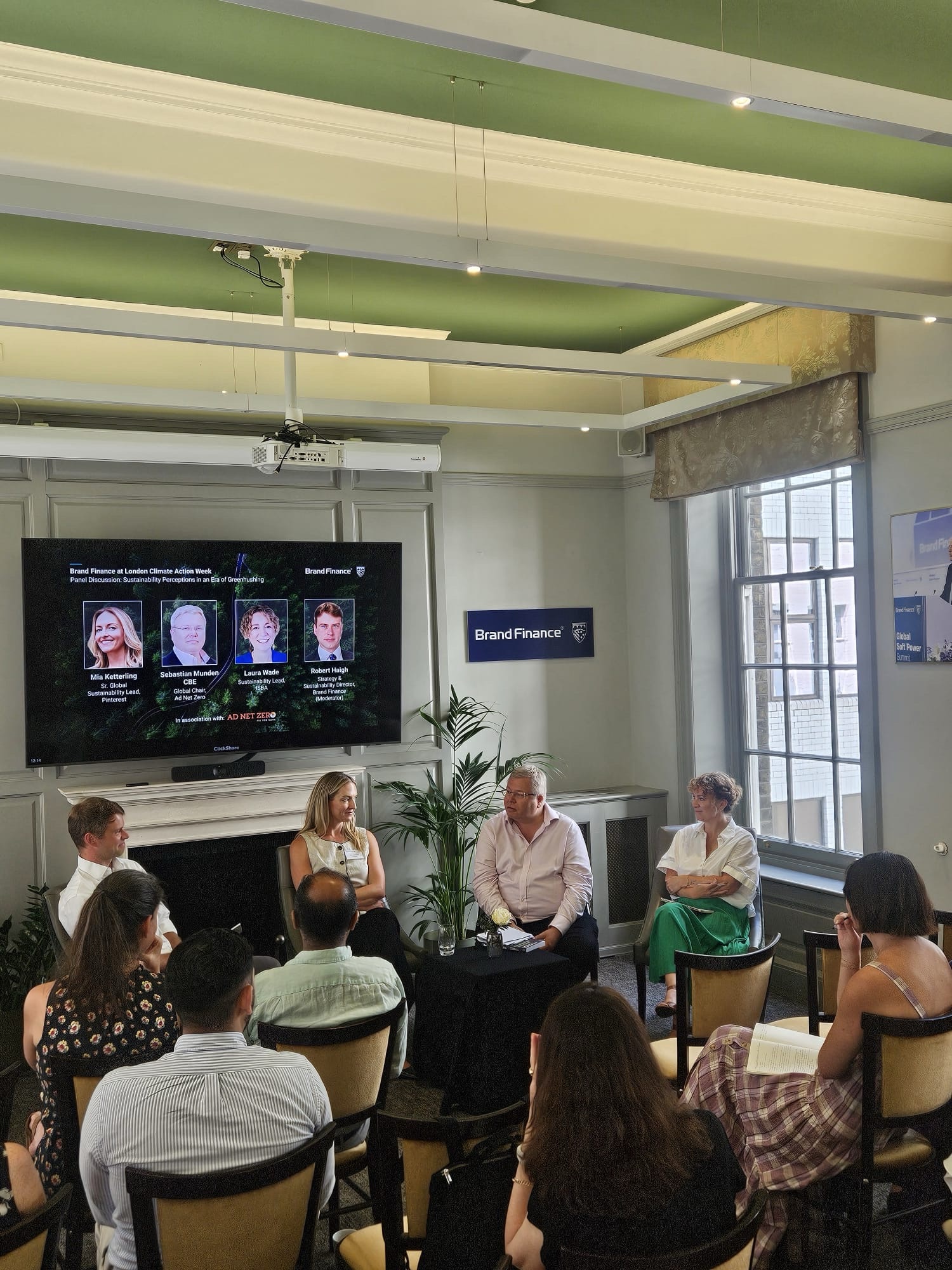
At Brand Finance, Sebastian Munden joined Mia Ketterling (Pinterest), Laura Wade (ISBA) and Robert Haigh (Brand Finance) to explore how brands can build and maintain strong sustainability perceptions in an environment of increasing scrutiny.
Drawing on findings from the Brand Finance Sustainability Perceptions Index 2026, the session explored the growing gap between sustainability performance and perception, alongside the role sustainability continues to play in driving trust, reputation and long-term brand value.
The discussion highlighted the importance of credible communications, ensuring that meaningful action translates into confidence and trust among consumers and stakeholders, while avoiding both greenwashing and unnecessary greenhushing.
OOH for Good: Driving Resilience, Growth and Nature Recovery
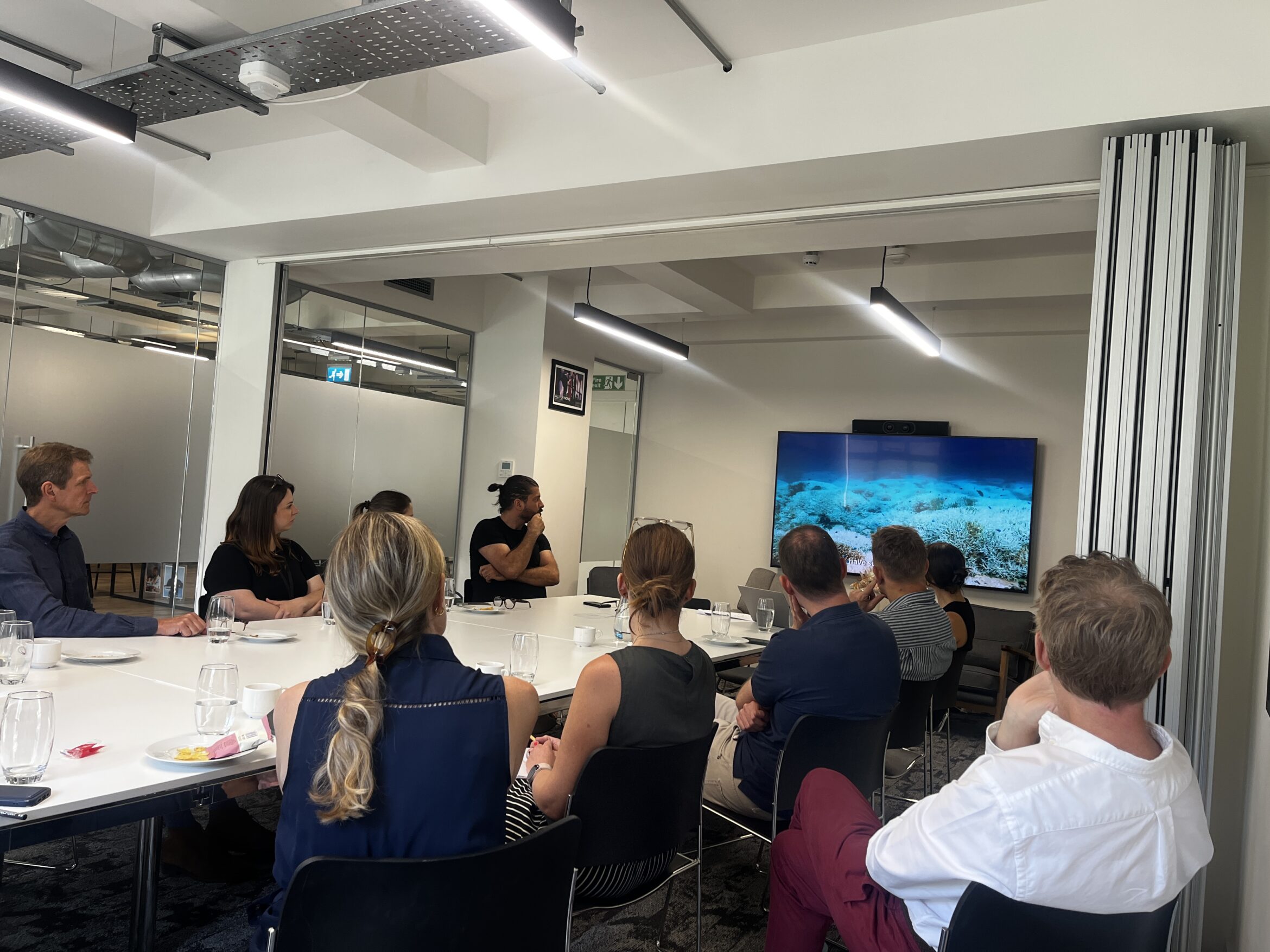
We hosted Ocean Outdoor’s OOH for Good session, exploring how businesses can balance decarbonisation with growth while creating long-term value.
Discussions focused on sustainability as a value creation opportunity, the importance of engaging supply chains and the role sustainability increasingly plays in commercial decision-making. Speakers reflected on how embedding sustainability into everyday roles can help turn long-term ambitions into practical action.
The session also showcased Ocean Outdoor’s work to restore nature through initiatives including Drops in the Ocean, which supports organisations such as Word Forest, JustDiggit, WaterAid, Fauna & Flora and the Hebridean Whale and Dolphin Trust.
Conversations explored how businesses can invest beyond their direct value chains, strengthen resilience and create positive environmental impacts alongside commercial growth.
The session touched on many of the themes explored across London Climate Action Week, from climate resilience and business growth to nature restoration and creating positive impacts beyond organisational value chains.
Action over Accounting: Why Measuring Scope 3 is the New Creative Brief
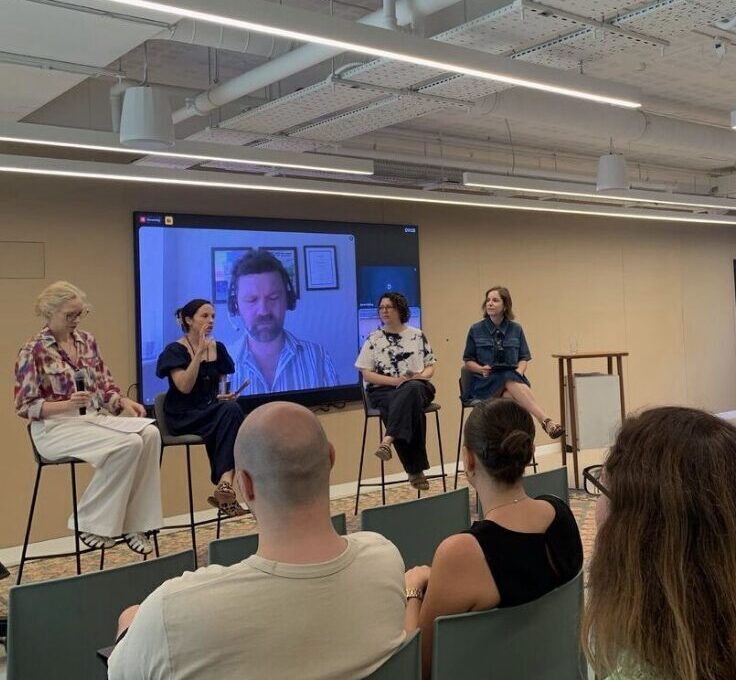
At VCCP’s breakfast event, Action over Accounting: Why Measuring Scope 3 is the New Creative Brief, Elle Chartres joined Alana Ballantyne (VCCP), Kristina Todoric (Girl&Bear) and Tom Patterson (Channel 4), chaired by Fiona Couper (VCCP), to explore how to balance commercial priorities, creative ambitions and carbon reduction targets, while moving sustainability beyond reporting and into everyday decision-making.
A recurring theme throughout the session was that measurement should enable better decisions, not become an end in itself. Speakers discussed how frameworks such as GMSF are helping the industry move away from fragmented approaches and towards a common language that supports transparency, accountability and more informed action.
The panel also explored the role carbon reduction can play as a creative catalyst rather than a constraint. Drawing on VCCP’s work with TfL, the discussion considered how data and sustainability objectives can strengthen creative thinking, support innovation and deliver better outcomes for clients and audiences alike.
Another important theme was the need to build momentum across the entire value chain. From agencies and production partners to broadcasters and clients, speakers reflected on how sustainability is increasingly becoming a shared responsibility and a source of long-term business value. Trust, transparency and responsible communication were highlighted as critical foundations for that progress.
The conversation also considered the opportunities and challenges presented by AI. While new technologies can improve efficiency and support creativity, the panel explored how organisations must continue to understand and manage their environmental impacts as adoption grows.
Ultimately, the session reinforced that sustainable communication is no longer a separate exercise in reporting or compliance. By embedding sustainable considerations into creative briefs, business strategy and decision-making processes, organisations can build trust, drive innovation and deliver stronger commercial and environmental outcomes.
Sustainable Advertising That Delivers: From Carbon Calculation to Effective Storytelling
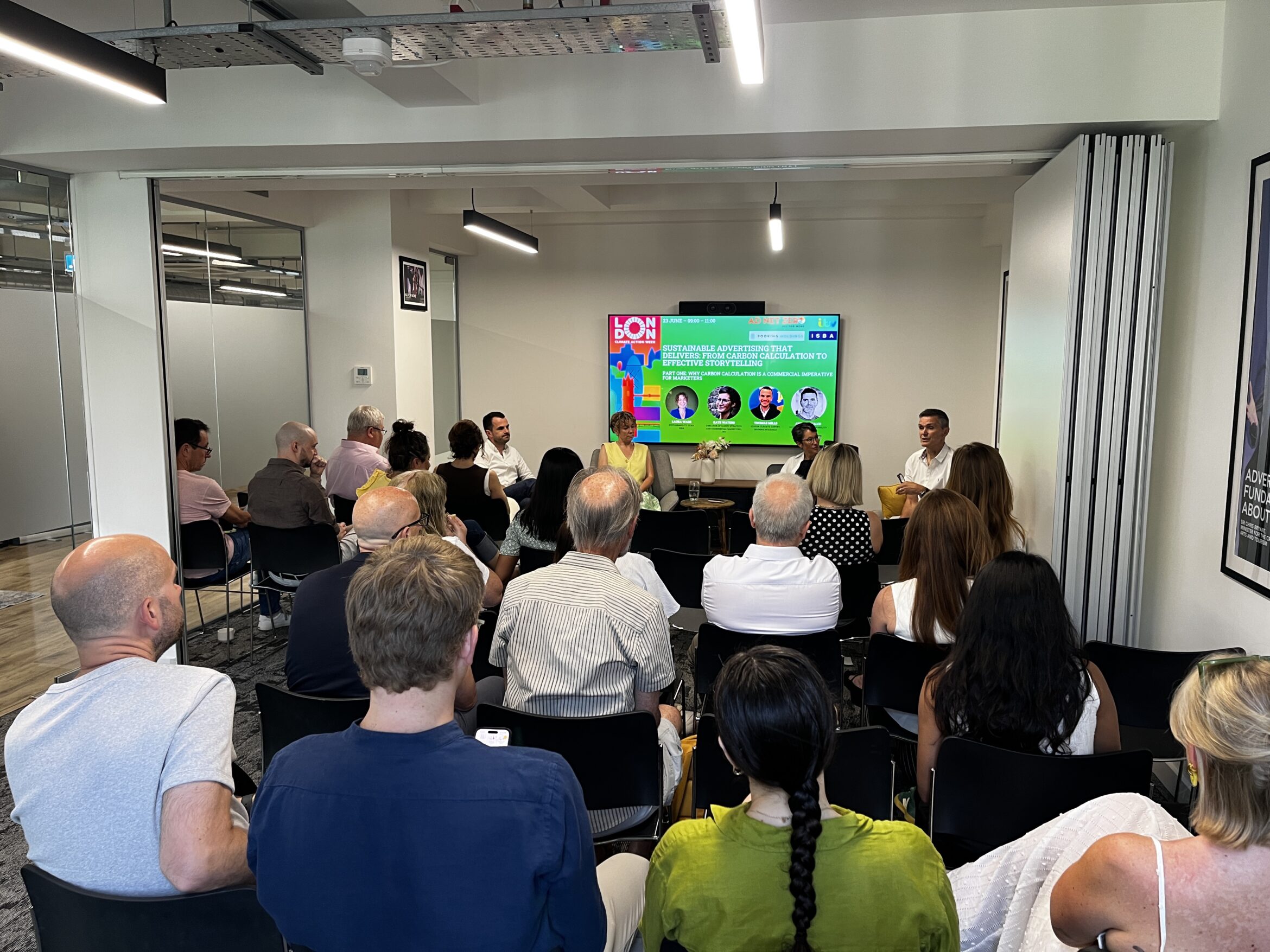
Ad Net Zero and ISBA wrapped up London Climate Action Week with Sustainable Advertising That Delivers, bringing together industry leaders to explore how better carbon measurement and more effective storytelling can support both commercial success and climate action.
The first session, chaired by Anthony Falco, brought together Thomas Mills (Booking Holdings), Laura Wade (ISBA) and Kate Waters (ITV) to discuss the launch of GMSF v1.3 and what it means for advertisers, agencies and media owners.
A recurring theme throughout the discussion was the importance of consistency, transparency and credibility in media emissions measurement. Speakers highlighted how a common framework can level the playing field across the industry, helping organisations of all sizes understand their impact while rewarding suppliers that invest in better data and lower-carbon solutions.
Laura Wade reflected on the role advertisers can play in driving adoption, noting that many marketers still rarely discuss media emissions during planning processes. GMSF provides a common language that enables more meaningful conversations with agencies and suppliers, helping organisations identify carbon hotspots and influence change across the value chain.
Thomas Mills highlighted the importance of GMSF for advertisers, noting that a common framework creates a shared language across the industry and supports Booking Holdings’ plans to embed consistent, science-based media emissions measurement throughout its supply chain.
Kate Waters described GMSF as an important step in making sustainability data more accessible and actionable, creating a standard that both reveals gaps and stimulates innovation. The panel also explored how carbon KPIs can increasingly sit alongside commercial metrics, enabling businesses to take a more holistic view of campaign effectiveness and efficiency.
The discussion concluded with a shared ambition to move from industry guidance to widespread adoption, embedding GMSF into everyday business practices, supplier relationships and future tools built on consistent, science-based methodologies.
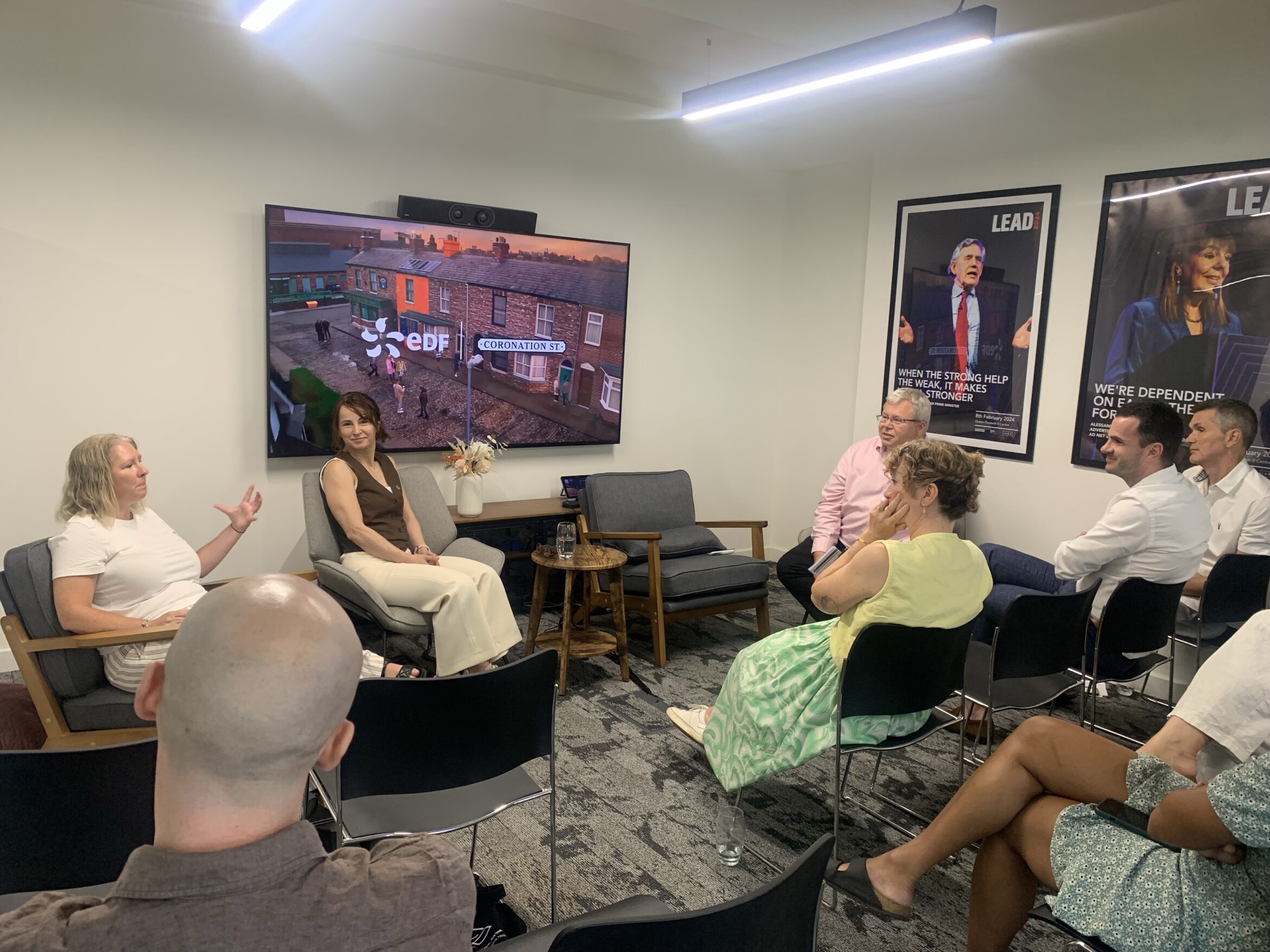
The second session focused on sustainable storytelling and the opportunities for brands to feature more sustainable behaviours through advertising. Seb Munden was joined by Nicola Collins (EDF) and Özlem Şentürk (Kantar) to discuss the findings behind Every Brief Counts and the commercial benefits of trusted sustainability messaging.
Seb reflected on Every Brief Counts as a response to the expertise gap that still exists across marketing and creative teams, providing practical guidance to help organisations build confidence and communicate sustainability credibly.
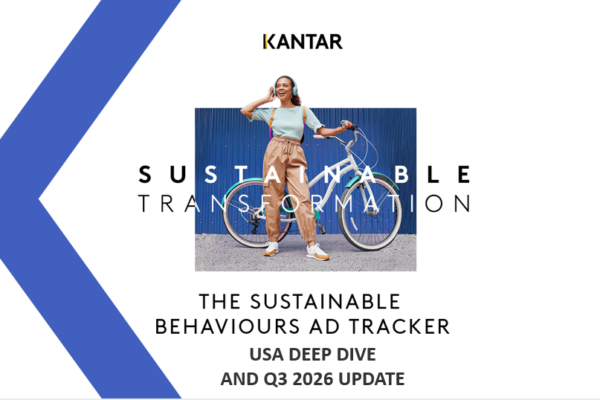
Drawing on Kantar’s research, Özlem highlighted that 93% of consumers globally want to live more sustainable lifestyles, yet much of today’s advertising still relies on a narrow set of messages focused on concepts such as recyclability, plastic reduction and energy efficiency. She encouraged brands to start with what matters most to consumers, align sustainability with their brand purpose and back communications with clear actions and proof points.
Nicola Collins shared EDF’s Sunday Saver campaign as an example of how sustainable behaviours can be integrated into mainstream advertising by focusing on benefits that resonate with audiences. By encouraging customers to shift electricity usage away from peak periods, the campaign delivered commercial growth, increased trust and measurable emissions reductions, while keeping messaging simple and centred on saving money rather than sustainability alone.
The discussion reinforced a common theme across Every Brief Counts: consumers do not necessarily want or need brands to lead with corporate sustainability claims, but they do value products and services that make their lives better, healthier and more affordable. When supported by credible action, the inclusion of sustainable behaviours within advertising can strengthen both brand performance and long-term business value.
The event provided a fitting conclusion to Ad Net Zero’s first London Climate Action Week programme, bringing together industry leaders to explore the practical tools, partnerships and approaches that can help advertising accelerate sustainable change.